By Amy Meyers Steinberg
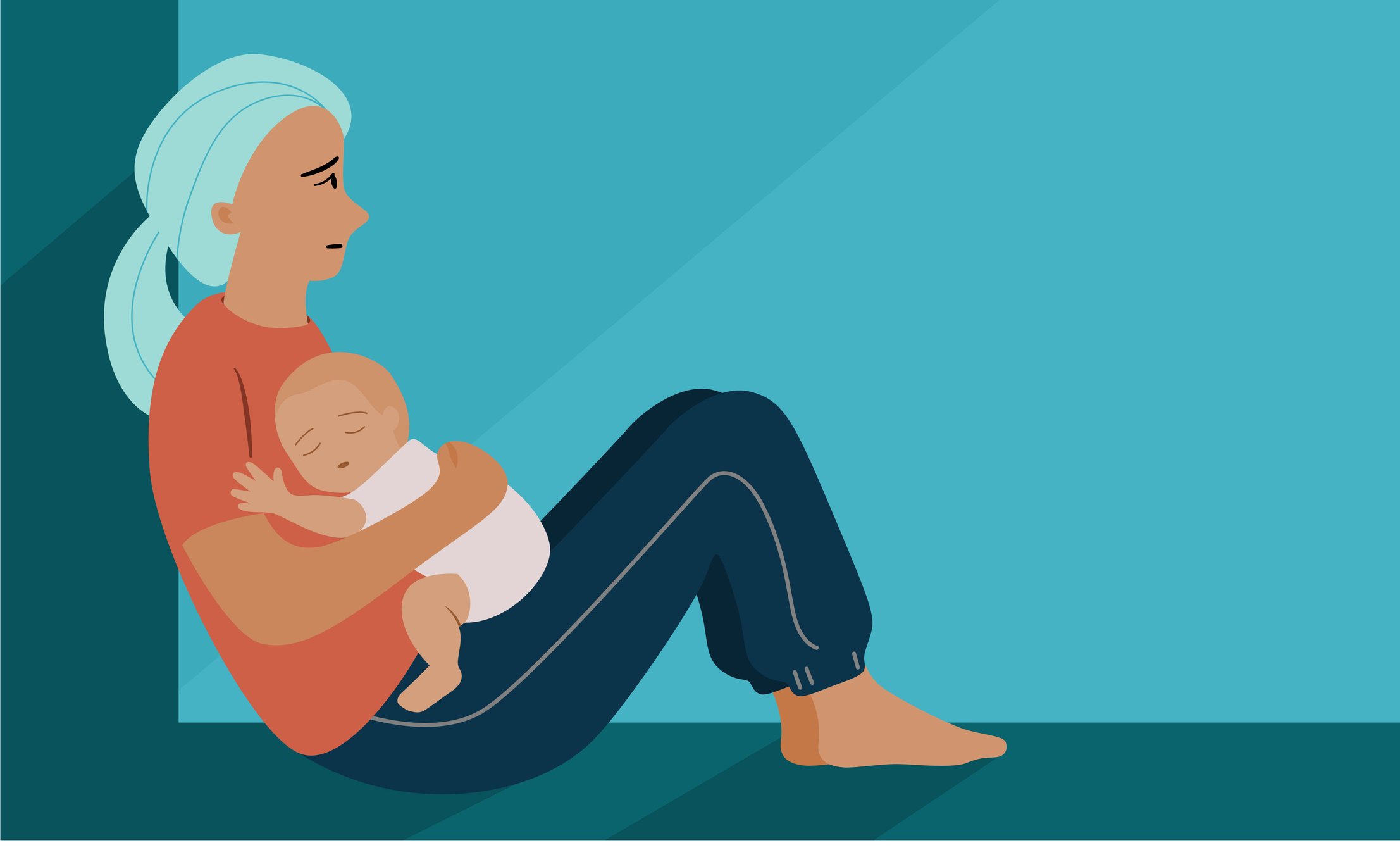
When I was pregnant, I couldn’t wait for my baby to be born, to hold her, bond with her, smell her. I thought there would be a natural transition into motherhood, given how excited I was. But it didn’t happen quite how I expected. After a four-day hospital stay due to a C-section, we headed home. With family helping the first two weeks or so, it wasn’t too bad. But once I was alone, it was harder than I imagined. I felt sad.
I had the “baby blues.” Or so I thought.
Experts will tell you that feeling sad and tearful after having a baby is pretty common. Your hormones are unbalanced, you’re tired and, if you are a first-time mom, well, you’re new at this so you’re probably feeling some anxiety and even helplessness at times. Most moms will settle into routines within the first few weeks. Common symptoms of the baby blues include:
- Mood swings
- Anxiety
- Sadness
- Irritability
- Crying
- Decreased concentration
- Trouble sleeping
But some women continue to feel anxious, sad and hopeless well beyond the normal timeframe, especially if you have a history of anxiety or depression. If those feelings don’t start to ease after the first few weeks, or if they begin to feel heavier instead of better, it may be more than the baby blues. While symptoms for both conditions may be similar, postpartum depression is much more serious and lasts significantly longer. Additional signs of postpartum depression might include:
- Negative feelings toward your baby
- Concern that you will hurt your baby
- Feelings of worthlessness and guilt
- Recurrent thoughts of death or suicide
These red flags should not be ignored. Talk to your doctor (internist, obstetrician or even the pediatrician). JCS has experienced mental health professionals who can guide you as you work through the anxiety and hopelessness you may be feeling. Our psychiatric providers can also help by finding the right medications to help balance things out, if that is part of the right plan for you. Anti-depressants were my saving grace.
It’s also important to understand that postpartum depression is different from the much rarer condition known as postpartum psychosis. Postpartum psychosis can include symptoms such as hallucinations, delusions, confusion, and a loss of touch with reality, and it requires immediate medical attention. Recent national attention surrounding the Lindsay Clancy case has brought greater awareness to postpartum psychosis and the importance of recognizing serious symptoms early and seeking help right away.
Postpartum depression can happen to anyone. Many public figures have helped reduce stigma by sharing their experiences. In 2001, Marie Osmond wrote a memoir, “Behind the Smile: My Journey Out of Postpartum Depression.” My daughter was born in 2002 and when I was going through postpartum depression myself, I read Marie’s book and found it to be helpful. Brooke Shields went public with her postpartum depression experience and how the use of anti-depressants helped her get through it. Even though I was no longer suffering from postpartum depression, I read her book, “Down Came the Rain: My Journey Through Postpartum Depression,” and could totally relate.
So, is it the baby blues or postpartum depression? Take some time to learn more about both conditions and know that help is available. Trusted resources include HelpGuide, the Mayo Clinic’s Postpartum Depression Guide, Mental Health America, and Postpartum Support International. If you’re struggling and things don’t seem to be getting easier, don’t hesitate to reach out for help. Talk with your doctor, lean on people you trust, and remember that support is available.

Amy Meyers Steinberg is a Senior Program Coordinator at JCS.
Jewish Community Services (JCS) provides programs and services for people of all ages and backgrounds, helping them achieve their goals, enhance their well-being, and maximize their independence. To learn more, visit jcsbalt.org or 410-466-9200.